
Why Your Toilet Keeps Clogging (and How to Fix It)
Once is bad luck. Every week is a pattern — and patterns have causes. Here's how to find yours, and when to call (626) 630-0640 for a local pro.
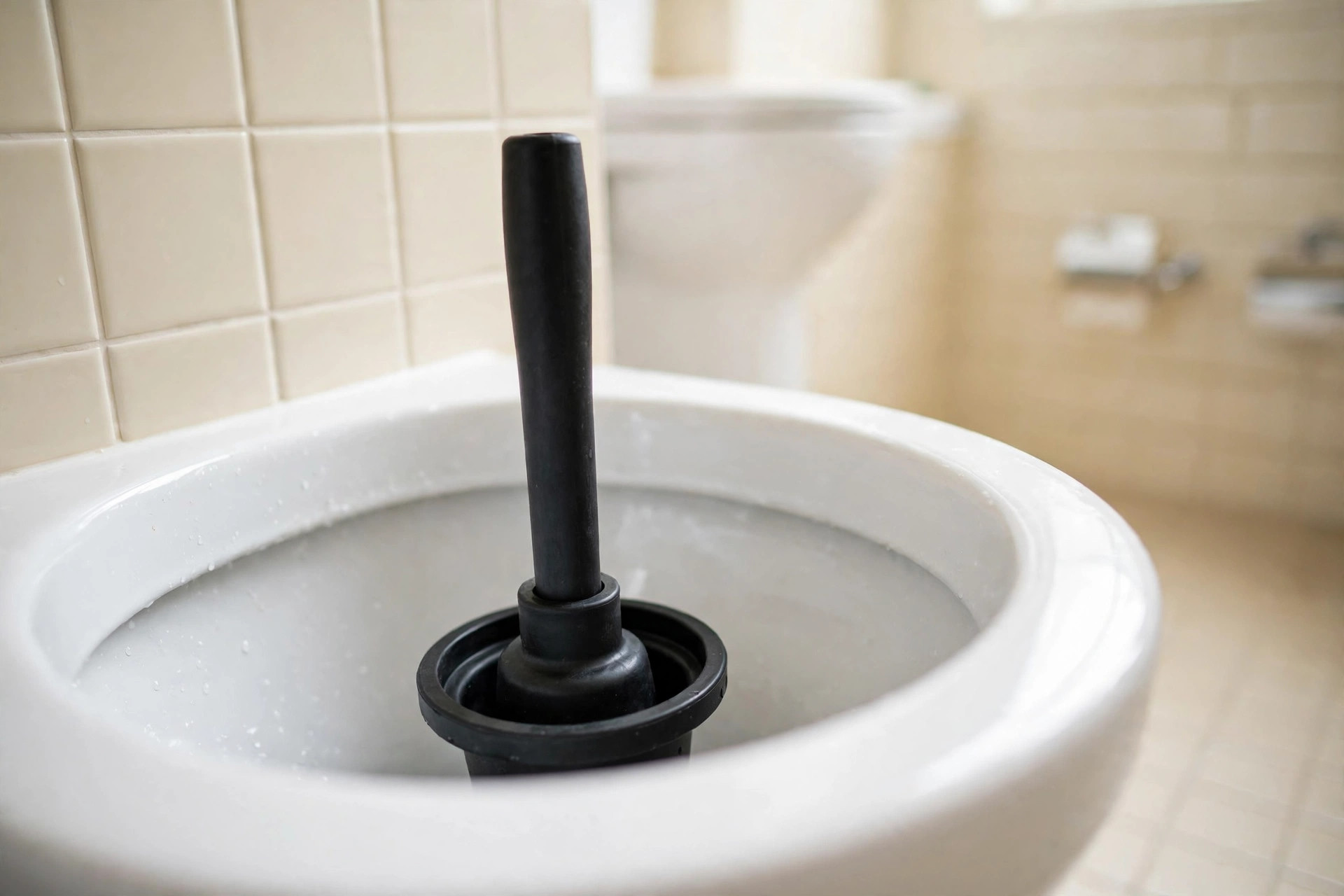
A toilet that clogs once is life. A toilet that clogs weekly is telling you something.
There's a difference between a clog and a clogging problem. The first one happens to everyone — too much paper, a house full of guests, a toddler testing the laws of physics. The second one is the toilet that needs the plunger every Tuesday, the one your family has learned to flush twice "just in case," the one that ruined a perfectly good Sunday morning. If that sounds familiar, plunging harder isn't the answer. Finding the cause is.
Most repeat clogs trace back to a short list of culprits. Run through them below, match your pattern, and you'll know whether this is a five-minute habit change or a job for toilet repair in Arcadia. Either way, you'll stop guessing.
The 8 reasons toilets keep clogging
| Pattern | Likely cause | The fix |
|---|---|---|
| Clogs a few days after every plunge | The blockage was never fully cleared — the plunger just punched a hole through it | A toilet auger reaches past the trapway; if that fails, a pro clears it properly |
| Clogs on normal, everyday use | "Flushable" wipes, cotton balls, or hygiene products snagging in the trapway | Stop flushing them — only toilet paper goes down. Clear what's already stuck with an auger |
| Needs two flushes to clear the bowl | Weak flush: low tank water level, worn flapper closing too fast, or mineral-clogged rim jets | Tank parts repair — water level, flapper, and jet cleaning |
| Old toilet that's always been weak | First-generation 1.6 gpf low-flow toilet from the 90s — poor bowl design, weak siphon | Often cheaper long-term to replace it than fight it |
| Toilet and tub (or shower) clog together | Blockage in the branch drain or main line — past the toilet itself | That's drain work, not a toilet problem. A pro diagnoses which line is blocked |
| Gurgling from the tub or sink when you flush | Blocked vent pipe — air can't escape through the roof vent, so it pushes back through fixtures | Vent inspection and clearing by a professional |
| Flush starts strong, then dies out | Partial blockage deep in the drain — water passes slowly, solids don't | Professional augering or drain clearing beyond what a hand auger reaches |
| Gets worse over months, not days | Mineral scale narrowing the rim jets and trapway — common where water runs hard, as it does across much of the San Gabriel Valley | Clean the jets; if scale is heavy, a pro assesses whether the toilet is worth saving |
Stop flushing these — starting today
Half of all repeat clogs are a habit problem, not a plumbing problem. The toilet is designed for two things: human waste and toilet paper. Everything else is a gamble, and the house always wins eventually.
- "Flushable" wipes. The single biggest offender. They don't break down like toilet paper — they snag in the trapway and collect everything behind them. Trash them, don't flush them.
- Paper towels and tissues. Made to stay strong when wet. Toilet paper is made to fall apart when wet. That's the whole difference.
- Cotton balls, swabs, and dental floss. Floss in particular tangles into nets that catch everything.
- Feminine hygiene products. They expand. The trapway doesn't.
- Cat litter, even "flushable" kinds. It clumps — that's literally its job.
If anyone in the house has been flushing wipes, that alone may explain your pattern. Stop the habit, clear the existing buildup once, and the "mystery" clogs often stop.
Clear it yourself — the right way
Two methods work. Everything else is noise.
- The flange plunger. Use the kind with the fold-out rubber cup, not a flat sink plunger. Seat it fully over the drain hole so the cup is full of water, then plunge with steady rhythm — firm push down, sharp pull up — for 10 to 15 strokes. Check the bowl between rounds. Most fresh clogs clear here.
- The toilet auger. A 3 to 6 foot closet auger with a rubber sleeve (so it doesn't scratch the porcelain). Feed it gently into the drain, crank through resistance, then retract and flush. If you hit something solid that won't break up or the auger keeps getting stuck, stop — forcing it can damage the toilet or wedge the blockage tighter.
Skip the chemical drain cleaner. It rarely clears a toilet clog, it can damage older pipes and the rubber seals inside the tank, and it leaves the bowl full of caustic water — a hazard for you and for anyone who works on the toilet next.
If neither method works after an honest try, you've done your part. Further attempts usually just push the blockage deeper. That's the moment to call (626) 630-0640 and get connected with someone local who clears these daily.
When repeat clogs point to the sewer line
Sometimes the toilet is just the messenger. Watch for these signs that the real blockage is in the branch or main drain line:
- More than one fixture misbehaves — the toilet clogs and the tub drains slowly, or the shower backs up when you flush.
- Gurgling sounds from drains you aren't using.
- Water or sewage appearing in a floor drain, tub, or shower — the lowest fixtures show line problems first.
- The problem returns within days no matter what you do to the toilet itself.
Main-line blockages come from grease buildup, scale, settled or bellied pipe sections, and tree roots finding their way into older lines — all common enough in established neighborhoods. This is beyond a plunger and beyond a toilet auger. A professional diagnoses the line and clears it with the right equipment, and they'll tell you straight whether it's the toilet or the drain — knowing the difference saves you paying for the wrong fix.
Weak flush or real clog? How to tell
If the bowl clears but only on the second flush, you may not have a clog at all — you may have a weak flush. Check the tank: the water level should sit about an inch below the top of the overflow tube. Look under the rim at the jets — if they're crusted with mineral scale, the siphon never gets the punch it needs. A flapper that drops too fast cuts the flush short. These are tank problems, not drain problems, and they're covered in our guide to weak flushes and tank parts repair.
When to call a pro in Arcadia
- Water is rising or overflowing. Stop the water first — push the flapper down or turn the shut-off valve behind the toilet clockwise — then call.
- The pattern keeps repeating. Weekly clogs mean a cause. A pro finds it in one visit instead of your tenth plunge.
- Multiple fixtures are affected. That's a drain-line issue, and it can get worse fast.
- You've tried the plunger and the auger. More force risks cracked porcelain or a blockage pushed out of reach.
Call (626) 630-0640 — describe the pattern, and we'll connect you with an available local professional. They quote the price upfront before any work starts, and the call itself costs nothing. New to the process? See how Arcadia toilet repair service referrals work.
Toilet keeps clogging? Break the cycle today.
One call connects you with a local Arcadia professional who finds the real cause — not just the symptom. Free to call, no obligation.
📞 Call (626) 630-0640 Free to call · 414 S 1st Ave, Arcadia, CA 91006Questions, answered
Why does my toilet keep clogging every week?
Weekly clogs mean the blockage was never fully cleared or something structural is wrong: wipes catching in the trapway, mineral buildup weakening the flush, an early low-flow toilet with poor flush power, or a partial blockage in the drain line. Match your pattern to the cause — or call (626) 630-0640 and a local pro will diagnose it in one visit.
Are 'flushable' wipes really a problem?
Yes — they're the most common cause of repeat clogs we hear about. They don't break down like toilet paper. They snag in the trapway and collect everything behind them. Throw them in the trash, not the toilet.
Can I use chemical drain cleaner on a clogged toilet?
It's a bad idea. Chemical cleaners rarely clear toilet clogs, they can damage older pipes and rubber seals, and they leave caustic water in the bowl — a hazard for you and anyone who works on the toilet next. A flange plunger or toilet auger is safer and more effective.
My toilet clogs and the tub drains slowly too. Related?
Very likely. When multiple fixtures misbehave together, the blockage is usually in the branch or main drain line, not the toilet itself. That's drain work beyond a plunger — call (626) 630-0640 and we'll connect you with a local professional who can diagnose the line.
How much does it cost to fix a repeatedly clogging toilet in Arcadia?
We don't set prices — the independent professional quotes before starting. A straightforward unclogging is typically one of the cheaper plumbing jobs; a drain-line blockage takes more work. The call to get connected is free.